

ADHD Test - Getting an Accurate Diagnosis
The correct diagnosis for Attention deficit hyperactivity disorder (ADHD) can be a challenge. It's a challenging neurological condition with three sub-types of symptoms, which appear across a range of severity, and comorbidities which can complicate diagnosis.
An ADHD assessment begins with a questionnaire for symptoms and then interviews. It also includes a thorough medical history and examinations for any other illnesses that might be related to ADHD, for example, ODD, OCD, depression, and autism spectrum disorders.
What is an ADHD Test?
An ADHD test is a screening test that can help doctors identify ADHD in adults. There are adhd testing and assessments that can be used to create a diagnosis but the most effective test is one that has been created by experts.
One test option is a psychological test. This test is used to determine how an individual thinks and their intelligence. A computer-based task is a different kind of test that measures the ability to focus and impulse control. A camera that is infrared is used to capture movements during the task.
Talking to a doctor about your symptoms is the first step in the testing process. They must be aware of the way these symptoms impact your daily life, which includes your mood, productivity, and lifestyle habits. They should also determine if there are any other conditions that may be causing ADHD symptoms.
Based on your age and the severity of your symptoms, your doctor might recommend a variety of tests. These tests may include an assessment for anxiety and depression and learning disabilities, as well as other mental health problems.
A psychiatrist or psychologist is the best choice for an ADHD diagnosis. Check with your insurance company to find out if they've got experts who are able to diagnose ADHD.
Your doctor will ask you a series of questions about your behavior in the past and now. They may interview you in person or with an online questionnaire.
After you've answered these questions, your doctor will discuss these with you and other members of your health care team. The doctor will then give recommendations for treatment, which might include medication, behavioral therapy or other types of treatment.
If you have a loved one in your family with ADHD it is important to get help early. This will help avoid serious health problems later on.
ADHD sufferers usually require medication to manage their symptoms. They may have to test different medications and different dosages before they are able to find the appropriate medication.
ADHD can cause issues with impulse control, which can lead people to abuse substances and other behavioral problems. The ADHD diagnosis can provide the support you need to stop these behavior patterns and begin living a healthier, more productive life.
What are the signs of ADHD?
ADHD or attention deficit hyperactivity disorder, is a mental illness that affects how children and adults focus and use their mental abilities. ADHD can result in problems with the ability to concentrate and organize which can lead to difficulties in their job or social relationships.
The symptoms of ADHD can differ from person to person. Some people are more inattentive than others. Others are hyperactive and impatient. Some have both types of symptoms and the combination is called "hyperactive-impulsive" or "combined."
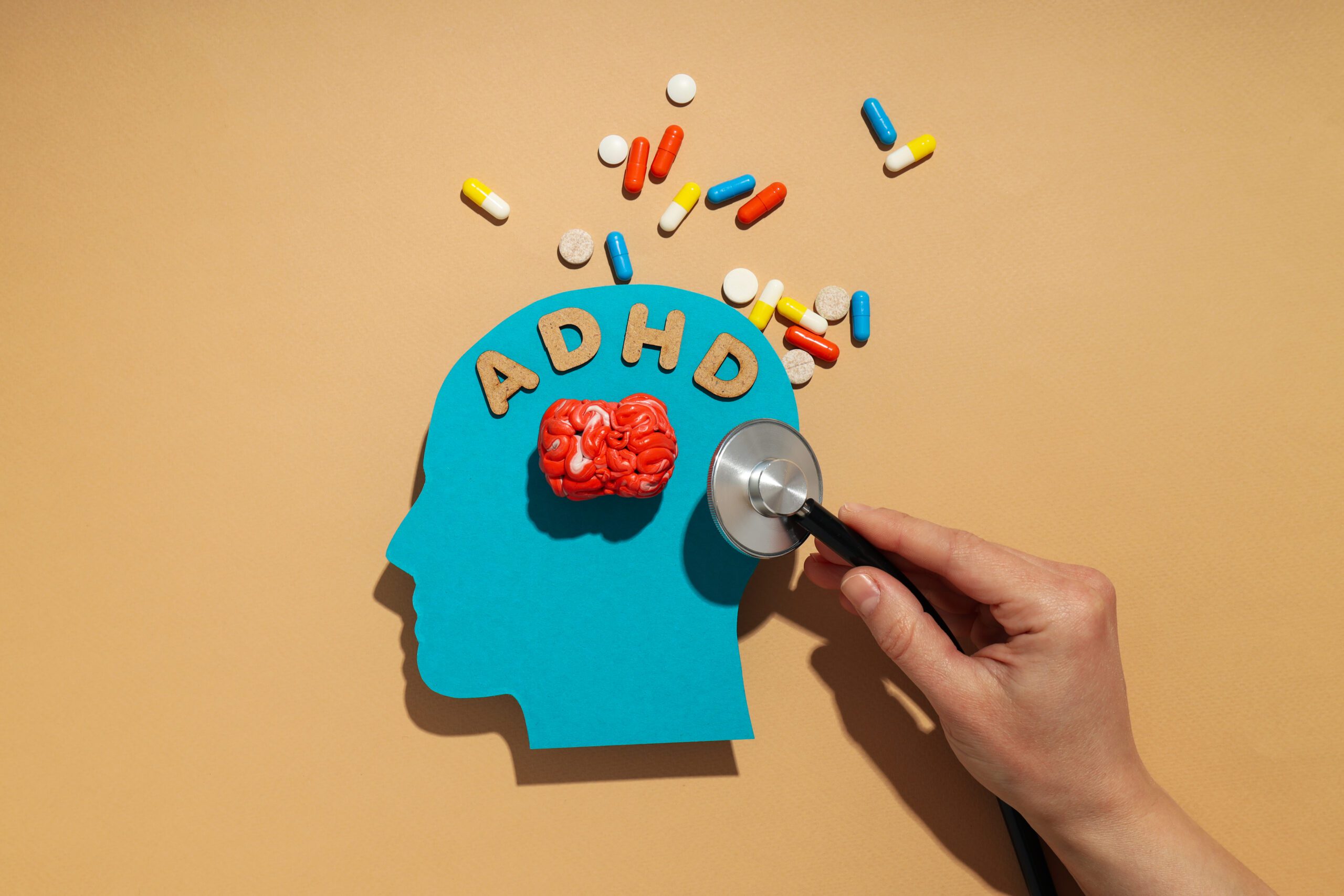
Every child struggles at times with paying attention to their surroundings, listening, and following directions. But children with ADHD are more likely to face these issues more often and in more places, like at school at home, at school and in friendships.
The signs of these problems can be recognized earlier than others, even before children start school. Some have been diagnosed as early as age 3.
ADHD symptoms can make it difficult for children to be quiet, stay still or wait their turn. They may also experience issues with their behavior and their emotions, particularly in school and at home.
A specialist or doctor typically diagnoses ADHD. They will examine your child and test them. The test may use checklists and rating scales that examine the symptoms of ADHD. Your doctor or specialist might also consult with you as well as your child's teachers or caretakers to find out what they think is happening.
Your child must be experiencing symptoms that are more severe than other children their age, and they need to occur more often than you would think for a child of their age. They must also cause difficulties in multiple settings and need to be apparent before the age of 12.
Your doctor is likely to inquire about any medical or learning issues your child might be suffering from. They might also do an examination to look for other health conditions which aren't linked to ADHD.
The results of the testing will aid your doctor in diagnosing your child's ADHD and provide a treatment plan. They may recommend counseling, medication, or behavior therapy.
How is an ADHD Test Done?
If you suspect that you or a loved one might have ADHD It is recommended to determine the cause as soon as you can. The sooner you know the more effective treatment options you'll have to combat your symptoms.
Examining your condition is the first step. There are many tests that can aid in. Your doctor might utilize behavioral tests, questionnaires as well as physical examinations based on your age to diagnose ADHD.
To diagnose you your healthcare professional will use guidelines from the Diagnostic and Statistical Manual of Mental Disorders (5 DSM-5) to determine the diagnosis. They may also ask about your behavior in the past and may also consult with family members or school records.
A thorough assessment can take many hours and frequently requires several appointments. This will allow your specialist to identify other conditions that may be the cause of your symptoms and offer treatment options that are effective.
A healthcare professional with special knowledge and experience can run an ADHD test. A family member or friend can serve as your advocate, and assist you in finding the right healthcare professional.
After you've found the doctor that meets your needs the next step is to set up an appointment to have an evaluation. Your health care provider will want to know your medical history and symptoms as well as any family history of ADHD.
The test typically lasts several hours and will include an interview with your family and you. It also includes neuropsychological tests that can help determine your cognitive strengths and weaknesses and identify comorbid conditions.
If you've been referred by your healthcare provider and you're interested in scheduling an appointment online or at an office in your area. You'll be required to submit your medical records, which your healthcare practitioner will examine.
A computer-based test could be used by your doctor to determine your attention span and impulsivity. These tests will test your capacity to focus on a task for between 15 and 20 minutes while a computer tracks and records your movements.
Your results will be compared to the results of people who do not have ADHD. This will allow you to find the right treatment or medication for you. This will allow you to feel better and enhance your daily life.
What are the results of an ADHD Test?
ADHD or Attention Deficit Disorder (or ADD), is an illness of the mind which affects 4.4 percent of American adults and children. The condition can impact a person's job and social life.
ADHD can make it difficult for people with ADHD to concentrate and remain organized. They can also be angry and impulsive, which can create problems in relationships.
There are a myriad of treatments available to help with ADHD symptoms and improve daily functioning If your child has been diagnosed. They can include therapy, medication and lifestyle modifications.
There are several different types of tests doctors employ to diagnose ADHD. Doctors may use an inventory of symptoms or responses to questions regarding current and past problems. They can also perform an exam for medical reasons.
They can also conduct scans of the brain to discover how the brain functions when someone has ADHD. This will help them determine the best treatment for you and your child.
A self-reporting form is another type of test which asks you to provide details about your symptoms. These tests can help determine if you have ADHD. However they can't replace the need for a therapy or assessment from a professional.
The most important thing to keep in mind when you take an adhd test is that it cannot diagnose the disorder in itself and will not give you a definitive diagnosis when there are other factors that are causing your symptoms. If you're unsure you should consult an expert in mental health who is certified.
In testing for adhd , a trained doctor or healthcare professional can determine whether you have ADHD using the criteria in the DSM-5 manual. These guidelines will ensure that individuals are correctly diagnosed and treated for this condition.
Based on your medical condition, it may take several weeks or even months to receive the results of your tests. If you're able to obtain the results, a psychologist will review them and provide you with the diagnosis.
We recommend you reach out to us for any questions about your test results. We can then schedule an appointment to review the results and discuss your options for treatment.